
Foam Suppression Systems
Foam Suppression Systems
Foam suppression systems are integral components of fire protection strategies, designed to swiftly and effectively combat flammable liquid and chemical fires. These systems deploy specialized foam agents that form a blanket over the fuel surface, suppressing the release of flammable vapors and cooling the fire. Offering versatility in application, foam suppression systems are employed in various industries, including petrochemical, aviation, and manufacturing. Their ability to quickly smother and extinguish fires involving flammable liquids makes them a crucial asset for safeguarding both personnel and assets, providing an efficient and reliable solution for fire suppression in high-risk environments.
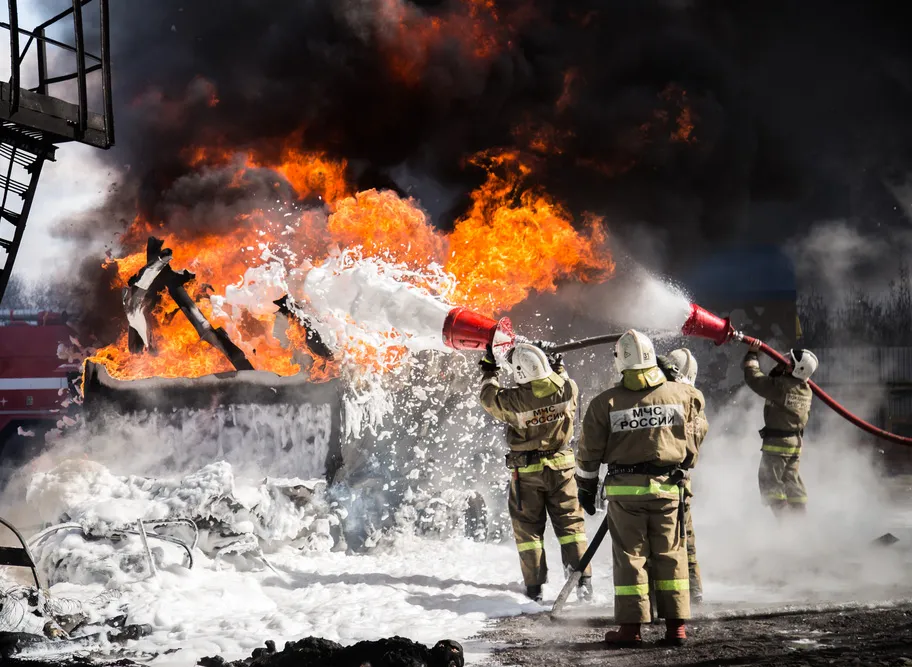
How Foam Suppression Systems Work
Delve into the intricate workings of foam suppression systems, exploring the deployment of specialized foam agents. These agents, often a combination of water, foam concentrate, and air, create a blanket over the fuel surface. This blanket suppresses the release of flammable vapors, cools the fire, and prevents its re-ignition, offering a multi-faceted approach to fire suppression.
- Foam Agent Generation
- Expansion and Blanket Formation
- Surface Tension and Seal
- Adaptability to Hazardous Materials
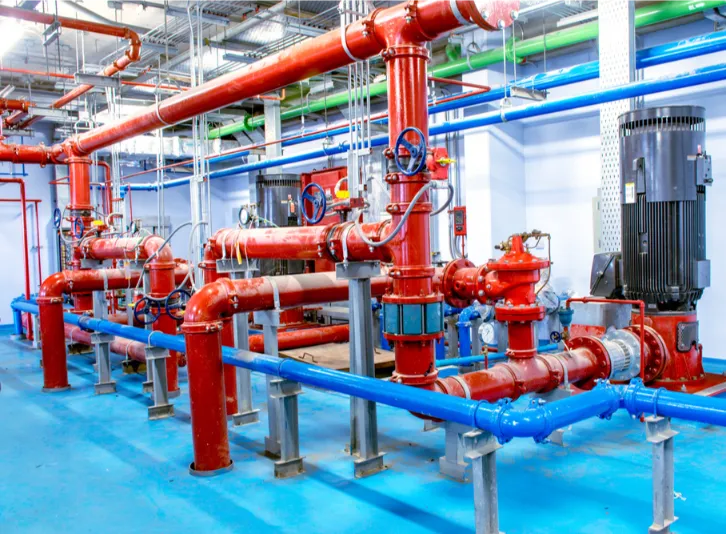
Foam Suppression Systems Advantages
Foam suppression systems offer a multifaceted approach to fire safety, particularly excelling in combatting flammable liquid fires. Their advantages include swift and effective suppression, versatility across diverse industries such as petrochemicals and aviation, and rapid deployment for immediate response. These systems create a vapor-sealing blanket, cool the fuel surface, and adhere to vertical and horizontal surfaces, preventing the release of flammable vapors and minimizing the risk of re-ignition. With options for automated or manual activation, proportioning for optimal concentration, and compliance with industry standards, foam suppression systems significantly contribute to protecting personnel, assets, and the environment in high-risk environments.
Specialties
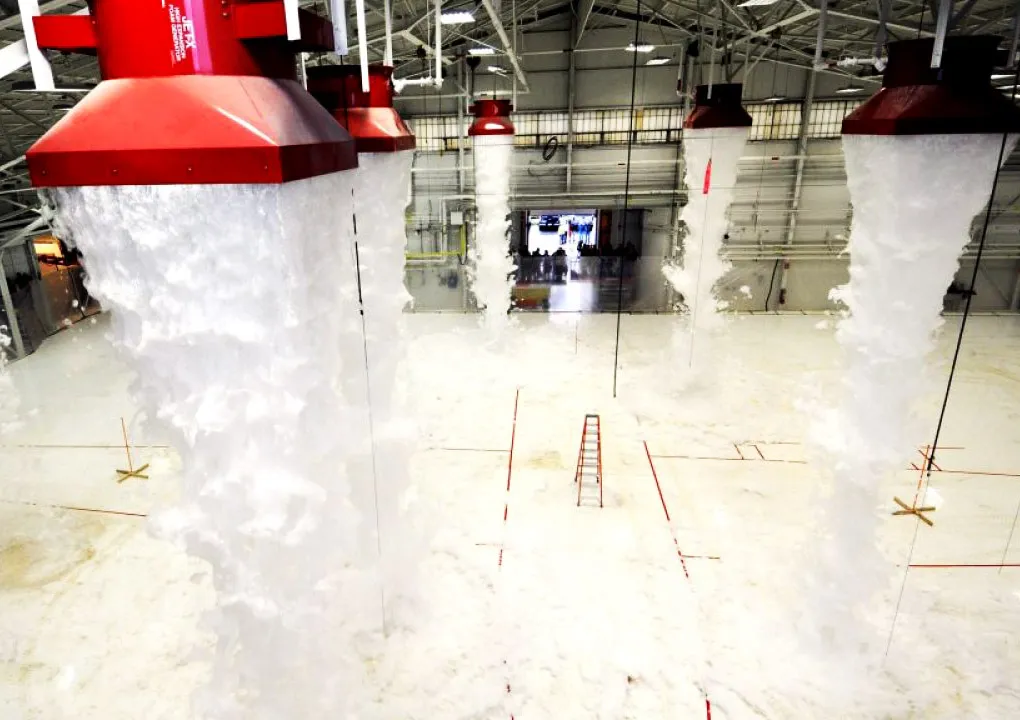
When it comes to safeguarding large areas during a fire emergency, the foam fire suppression system stands out. It works automatically, swiftly, and effectively by smothering the flames, particularly excelling in hotter fires compared to traditional sprinklers. What sets it apart is the foam blanket – a powerful barrier that efficiently separates fuel from the fire, preventing extensive property damage.
One of the standout benefits is its reduced toxicity and minimal water damage to structures and tools. However, it’s important to note that it’s not suitable for electrical equipment, and post-suppression cleanup requires careful attention.
For facilities dealing with flammable liquids or housing power-generating equipment, integrating a foam fire suppression system is a critical measure to ensure a safe and secure environment.
One of the standout benefits is its reduced toxicity and minimal water damage to structures and tools. However, it’s important to note that it’s not suitable for electrical equipment, and post-suppression cleanup requires careful attention.
For facilities dealing with flammable liquids or housing power-generating equipment, integrating a foam fire suppression system is a critical measure to ensure a safe and secure environment.
Where Used
Foam suppression systems are employed in various industries and settings where there is a risk of flammable liquid fires. Some commonly used areas include:
- Petrochemical Facilities
- Aviation Hangars
- Manufacturing Plants
- Warehouses
- Oil and Gas Installations
- Chemical Processing Plants
- Power Generation Facilities
- Marine Environments
- Mining Operations
- Emergency Response Vehicles
- Chemical Laboratories
- Fueling Stations
Frequently Asked Questions
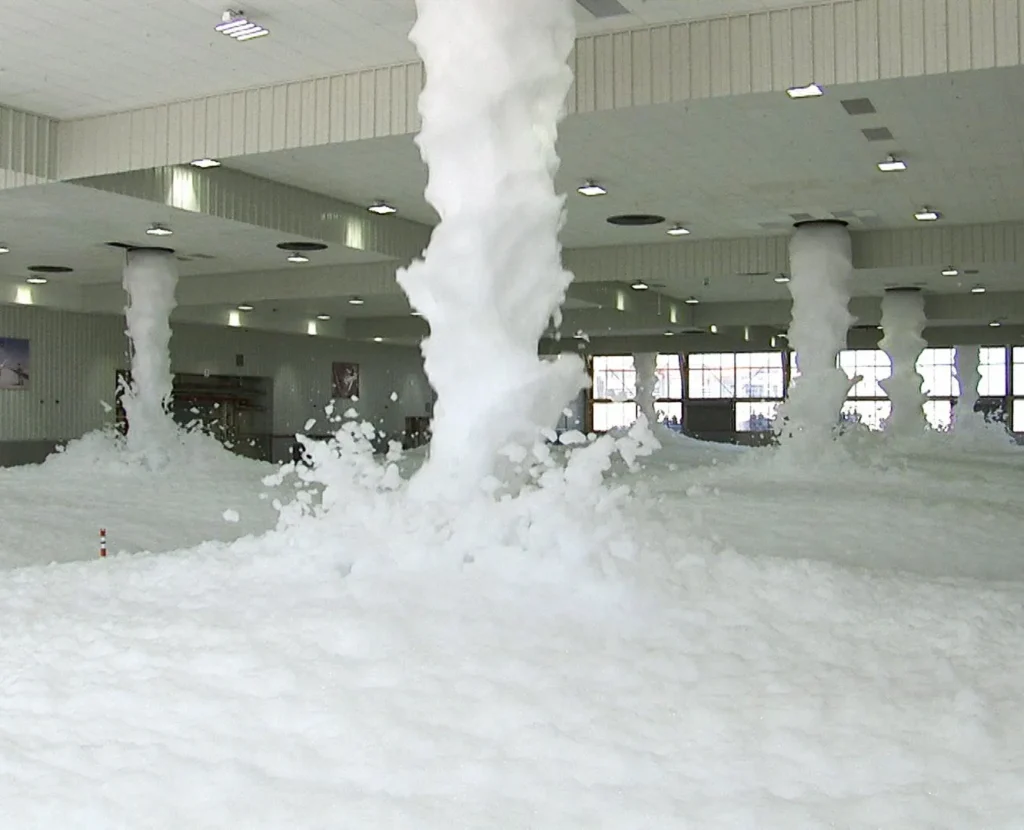
Foam suppression systems work by deploying a foam concentrate, usually a mixture of water, foam concentrate, and air, to create a foam agent. This agent forms a blanket over flammable liquid surfaces, suppressing vapors and cooling the fire to prevent re-ignition.
Foam suppression systems are particularly effective for flammable liquid fires. They are commonly used in environments where there is a risk of fires involving fuels, solvents, or chemicals.
Foam suppression systems are more effective on hotter fires compared to traditional sprinklers. The foam blanket created acts as a barrier between fuel and fire, preventing extensive property damage. Additionally, they result in less toxicity and minimal water damage to structures and tools.
No, foam suppression systems are generally not applicable for electrical fires. The conductive nature of foam makes it unsuitable for use on electrical equipment. Alternative fire suppression methods, such as clean agent systems, are recommended for protecting electrical equipment.
While foam suppression systems offer advantages, post-suppression cleanup requires careful attention. The foam can leave residue, and proper cleaning procedures need to be followed to ensure the removal of any remnants. This is particularly important in environments where cleanliness is critical, such as in food processing or electronics manufacturing facilities.
Reach Out To Us
Get best quality services from AdvancedTFP.
Talk to a real human
Human Connection, Exceptional Support: Let's Talk Real.